Disproportionate Academic Opportunity in Chicago
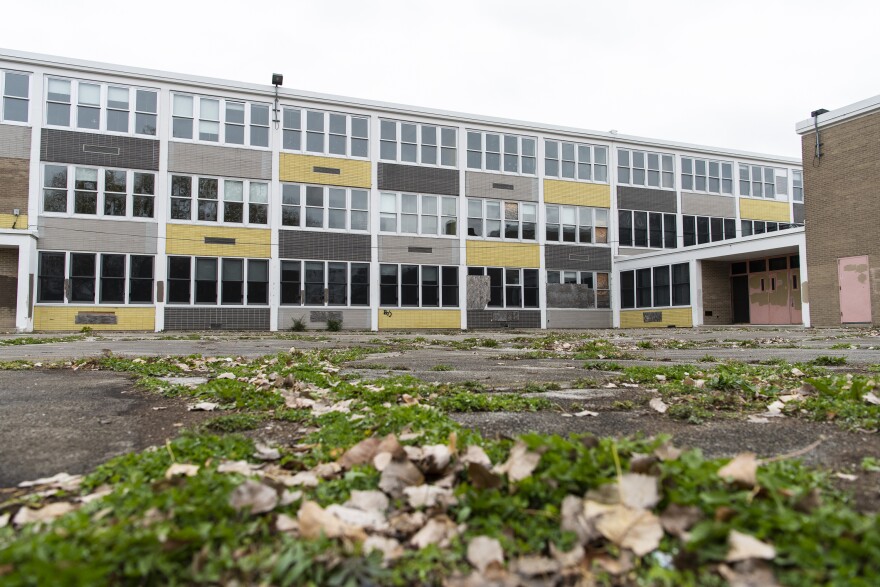
With 316,224 students and 630 different schools in its school district, Chicago Public Schools District (CPS) is the 4th largest School District in the United States. While CPS receives 8.6 billion dollars of funding a year, all these funds are not equally allocated (Chicago Public Schools, 2023). In May 2013 CPS decided to "close 49 elementary schools and one high school program located in an elementary school, the largest mass school closure to date. To accommodate the nearly 12,000 displaced students" (University of Chicago Consortium on School Research, 2018, p. 3). This decision was made with the idea of "cost savings", however, these closures "disproportionately affected schools located in historically disinvested and primarily Black neighborhoods, with many of the schools' serving areas of the city with high unemployment and crime rates" (University of Chicago Consortium on School Research, 2018, p. 3).
Many of these students in these communities are disproportionately affected by poverty and crime, experiencing segregation from other communities. As a result, education across neighborhoods differs in quality. Students in neighborhoods with crime and poverty have less access to resources and spend more time repeating lessons than middle-class students (Rothstein, 2014, p. 1-2). These differences in educational quality and resources became more apparent through the COVID-19 Pandemic. In September 2020, 110,000 Chicago students did not have access to broadband internet, resulting in CPS distributing electronic devices to students, devices that were often of poor quality or did not last long (Chicago Teachers Union, 2022).
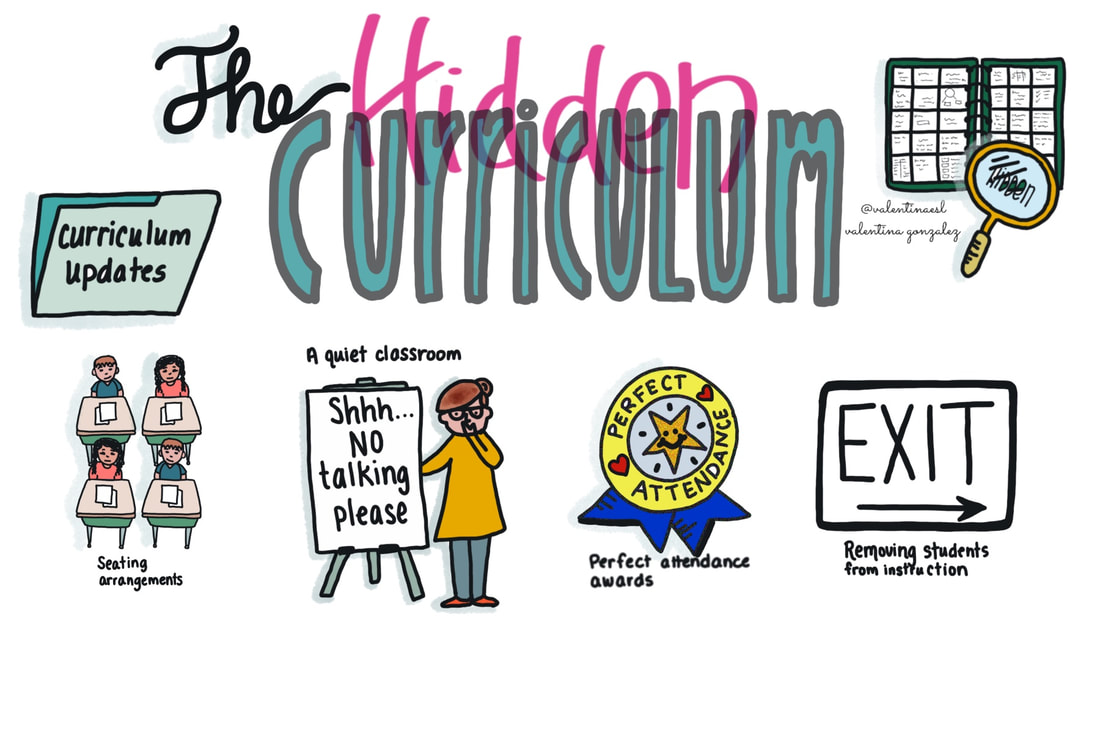
Furthermore, the neighborhoods of Englewood and Austin lacked proper internet access compared to their north side counterparts. Despite operating within the same school district and city, Chicago students are presented with very different realities in education. This effect is known as the "digital divide" in which individuals who can effectively use new information and communication tools, such as the Internet, and those who cannot are differentiated (Afzal et al., 2023, p. 5). The existence of such a gap only supports the existence of different curricula for different groups of people, curricula that shape the very thoughts and pathways of students.